
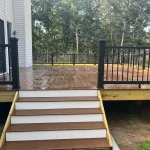
 Building a deck can enhance the aesthetic appeal and functionality of your outdoor space. However, before embarking on a deck construction project, it’s crucial to understand local building codes. These codes are set to ensure safety, accessibility, and structural integrity in construction. Ignoring these regulations may lead to fines or the need for costly modifications down the line.
Local building codes can vary significantly based on your location. They typically address various aspects of deck construction, including design standards, material requirements, and setback distances from property lines. For instance, some municipalities may require specific permits before construction begins, while others might have restrictions on the types of materials that can be used. It’s wise to consult your local building authority or check their website for detailed information pertaining to your area.
Once you’ve familiarized yourself with the relevant codes, you’ll need to consider your deck design and size. The type of deck you choose—whether it is freestanding, attached to the house, or a multi-level structure—can affect both the complexity of the project and the necessary compliance with local codes. Factors such as load-bearing capacities and anchoring specifications will be critical in determining how you should proceed.
Another important aspect is understanding how the cost to build a deck will be influenced by these regulations. Depending on the materials, labor costs, and structural requirements dictated by local laws, the expenditure can vary widely. When planning your budget, include expenses related to obtaining permits, which may add to the cost but are essential for compliance.
It’s also worth engaging with professionals who specialize in deck construction. Companies like Specialty Construction Services can provide valuable insights into navigating local building codes efficiently. An experienced contractor will not only help you design a deck that meets your needs but also ensure all work adheres to required regulations. This can save you time and money, as they will know exactly what permits are necessary and how to obtain them.
In addition to permits, many localities require inspections at different stages of the deck construction process. Inspections ensure that the work done aligns with local safety standards and building codes. Failing to schedule these could result in penalties or having to dismantle part of the work if found non-compliant during a later inspection.
Safety is paramount when constructing a deck. Many building codes specify guardrail heights, stair dimensions, and landing requirements to prevent accidents. Adhering strictly to these guidelines not only helps avoid legal issues but also enhances safety for those using the deck.
Additionally, environmental considerations come into play with deck projects. Local building codes may impose restrictions intended to protect natural resources and wildlife habitats. This might involve limitations on certain types of lumber or requirements for using eco-friendly materials. Being aware of these parameters upfront can influence your choice of materials and design approach.
If you’re uncertain about what is required in your area, don’t hesitate to reach out to other homeowners or community members who have completed similar projects. Online forums and social media groups can also offer first-hand experiences and advice regarding local building codes and successful completion of deck projects.
Ultimately, taking the time to understand local building codes thoroughly will streamline your deck construction experience. You’ll find that being informed not only enhances your project’s safety but also provides peace of mind throughout the entire process. When considering how much you want to invest, remember that the cost to build a deck encompasses more than just materials; it includes permits, labor, and any adjustments needed to comply with local regulations.
Should you decide to move forward without proper research and planning, you risk overspending due to unexpected changes or having to redo parts of the work after an inspection. Consulting experts like Specialty Construction Services can help mitigate these risks by ensuring all aspects of your project meet local standards.
As you plan your deck project, keep communication open with contractors and local authorities. Regular updates and discussions can clarify doubts about compliance with building codes and help identify potential issues early on. Engaging in this dialogue ensures everyone involved understands the expectations and requirements established by local laws.
Deck projects can be fulfilling additions to your home if approached thoughtfully. By embracing the nuances of local building codes, you create an opportunity for a safe and enjoyable space tailored to your lifestyle preferences. Understanding these regulations empowers you as a homeowner to take control of the design process while safeguarding against unnecessary complications along the way. If you embrace this proactive approach, your dream deck is within reach.