
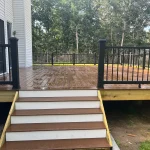
 Safety is paramount when it comes to enjoying your outdoor spaces, especially decks that can serve as gathering places for family and friends. Whether you have a wooden or composite deck, adhering to safety guidelines is essential for preventing accidents and ensuring everyone enjoys their time outdoors.
One of the first steps in maintaining deck safety is regular inspection. Homeowners should routinely check for signs of wear or damage, such as loose boards, protruding nails, or splintered wood. These issues could pose risks, particularly for children running around or adults wearing flip-flops during summer barbecues. Ensuring that railings are secure and high enough to prevent falls is also crucial. A standard railing height of at least 36 inches is recommended, but homeowners should consult local building codes for specific regulations.
Another aspect of deck safety involves understanding how environmental factors can impact your deck’s condition. Rain and moisture can lead to slippery surfaces and mold growth, while harsh sunlight may cause fading and warping of materials over time. Regular cleaning with appropriate solutions can help maintain both appearance and grip, reducing the likelihood of slips. Remember to use non-slip treatments on stairs and walkways to further enhance safety.
When considering modifications or upgrades to your deck, think about adding features like built-in benches or shaded areas to create safer zones for resting. Specialty Construction Services can assist with these enhancements, offering expertise in deck construction that meets safety standards while improving aesthetics. Safety lighting is another important feature; strategically placed lights can illuminate paths after dark and make it easier for everyone to navigate the area safely.
If your deck includes a poolside area, the specifics change slightly but are just as important. Poolside deck construction requires careful planning to ensure proper drainage and slip resistance. Using materials designed specifically for wet environments can safeguard against accidents when people are transitioning from the pool to the deck area. This consideration becomes even more significant when hosting gatherings during peak swimming season.
Homeowners should also be mindful of furniture placement and landscaping in relation to deck safety. Keep pathways clear of obstacles that could cause trip hazards, such as potted plants, decorative items, or garden hoses. If you have young children or pets, consider installing childproof gates or barriers to limit access to unsafe areas.
In addition to physical structures, it’s worth addressing the importance of communication regarding deck rules. Establishing guidelines for safe usage can help set expectations—such as no running on the deck, limits on how many people can occupy certain areas, or reminders to clean up spills immediately. This proactive approach will foster an environment where everyone feels comfortable and safe.
Ultimately, maintaining a safe deck space combines careful construction considerations with active management practices. By regularly inspecting your deck, implementing necessary safety features, and fostering a culture of safety among users, you contribute to a welcoming and enjoyable outdoor area for all.