
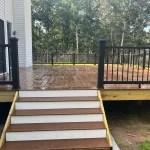
 Building a covered deck can transform your outdoor space into a functional extension of your home. A well-designed deck not only enhances the visual appeal of your property but also allows for comfortable outdoor living, regardless of weather conditions. Before embarking on this project, it’s essential to consider several key components, including materials, design, and structural integrity.
The first step in building your covered deck is to determine its purpose. Will you be using this space primarily for entertaining, dining, or simply relaxing? Understanding how you plan to utilize the area will guide your choices in design and functionality. Once you’ve established the purpose, sketch out some ideas for the layout. This initial drawing won’t need to be perfect but should capture the general dimensions and features you envision.
When planning the structure, one of the most critical elements to consider is the material you’ll use. Composite decking has gained popularity due to its durability and low maintenance. Unlike traditional wood which may warp or rot over time, composite decking offers a long-lasting solution that withstands various climates without sacrificing aesthetics. You’ll find that composite decking comes in a variety of colors and textures, allowing you to match it with your home’s exterior seamlessly.
After selecting composite decking as your primary surface material, focus on the framing and support structure. This component is essential in ensuring that your deck remains stable over time. Use pressure-treated lumber for beams and joists, as it resists decay and insects, providing a solid foundation for your composite decking. Make sure to follow local building codes regarding load-bearing requirements and safety measures.
Next, visualize how you want the cover of your deck to appear. There are multiple options ranging from simple pergolas to more elaborate enclosed structures. If opting for a full roof, consider materials such as shingles to match your home or metal for a modern aesthetic. A non-permanent structure like a retractable awning can provide shade when needed while offering an open feel during other times.
An important aspect of deck construction is proper drainage and ventilation. Ensure that rainwater flows away from the structure, protecting both the decking and the underlying framework. Incorporating gutters and downspouts can help manage water runoff effectively. Additionally, good airflow beneath the composite decking is crucial as it reduces moisture accumulation, prolonging the life of your deck.
Venturing past aesthetics, think about electrical considerations if you plan on illuminating your covered deck at night. Installing lighting fixtures can enhance usability after sunset while adding safety features. Opt for energy-efficient LED lights designed for outdoor spaces to minimize electricity costs and maintain longevity under changing weather conditions.
Safety should never be overlooked in any deck construction project. Adding railings around the perimeter can not only beautify your deck but also protect against falls, particularly in elevated designs. Choose materials that complement your composite decking while ensuring they adhere to safety standards—this includes reviewing height regulations specific to your location.
As you delve deeper into the specifics, remember that hiring professionals like Specialty Construction Services can streamline this process significantly. Their expertise in both design and execution ensures that each aspect—from structural integrity to permit acquisition—is expertly addressed. They can offer tailored solutions based on your preferences and needs.
Another factor that cannot be ignored is furniture selection for your covered deck. Durable outdoor furnishings will enhance comfort while resisting wear from outdoor elements. Look for pieces made with materials designed for outdoor use; many companies now make stylish chairs and tables specifically designed to complement composite decking.
Maintenance for your new covered deck is relatively straightforward compared to traditional wooden decks. Composite decking requires minimal upkeep aside from occasional cleaning with soap and water. However, it’s wise to keep an eye out for dirt buildup or stains over time; addressing these issues promptly will preserve the beauty of the surface.
Consider incorporating additional features such as built-in seating, fire pits, or even outdoor kitchens to maximize functionality. These elements can further define your patio space, encouraging family gatherings and social events throughout the seasons. Remember to choose materials that harmonize with your choice of composite decking so that everything feels cohesive.
Once all elements are selected and the plans are finalized, begin constructing your new oasis step by step. Having a clear timeline and checklist will ensure timely progression towards completion. Throughout this phase, maintaining communication with contractors or helpers can prevent misunderstandings that might delay the project or create complications.
Post-completion, take time to enjoy your newly constructed space. The blend of functionality with designed aesthetics can create an atmosphere perfect for relaxation or entertaining guests on warm evenings or rainy afternoons. As you settle into this lifestyle change brought on by the addition of a covered deck, thoughts on future enhancements or expansions may arise naturally.
Explore outdoor decor options too; plants, decorative lighting, or privacy screens can elevate the ambiance tremendously. Surrounding yourself with greenery or cozy touches enhances your experience outdoors, blurring the lines between indoor comfort and outdoor bliss. Explore styles that resonate with personal taste while maintaining synergy with existing landscape features.
With every decision made along this journey towards creating a covered deck, each stage adds layers to not just a physical structure but an indispensable part of daily life—a newer vantage point from which to appreciate both nature and leisure activities alike.