
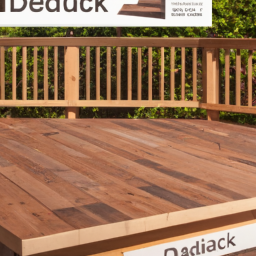
 Building a deck can significantly enhance both the aesthetic and functional value of residential properties. However, the process behind deck construction involves navigating various permits and regulations, particularly in Monmouth County. This comprehensive guide is tailored specifically for deck building companies looking to understand and comply with local requirements.
Before embarking on any deck-building project, it’s crucial for contractors to familiarize themselves with Monmouth County Deck Construction Regulations. Understanding these regulations not only ensures compliance but also protects the interests of both the builders and their clients. Specialty Construction Service emphasizes the importance of being well-informed about local codes as they can vary widely from one municipality to another within the county.
One of the primary steps in constructing a deck is obtaining the necessary building permits. All deck projects in Monmouth County require permits, regardless of size or scope. This typically includes submitting plans that detail the proposed structure, including dimensions, materials, and placement relative to property lines and existing structures. Specialty Construction Service encourages deck building companies to work closely with municipal offices to ensure that all documentation is accurate and complete before submission.
In addition to securing permits, understanding zoning laws is vital for deck building companies operating in Monmouth County. Zoning regulations dictate where structures can be placed on a property and how close they can be to property lines or other buildings. Failure to adhere to these rules can result in fines or, worse, the removal of non-compliant structures. To effectively navigate these complexities, it’s beneficial for contractors to consult zoning maps or hire professionals who specialize in Monmouth County Deck Construction Regulations.
When preparing construction plans, it’s essential for builders to include engineering specifications that meet or exceed state minimums. Specialty Construction Service highlights that many municipalities require structural calculations to demonstrate that decks will safely support intended loads. This might involve working with licensed engineers who can provide certified designs, ensuring structural integrity and compliance with safety standards.
Moreover, homeowners often have specific requests regarding deck features such as railings, stairs, and lighting. As building codes may dictate the types of materials and designs permissible—particularly concerning rail height and stair width—deck building companies should be prepared to offer solutions that align with both client desires and regulatory compliance. It’s vital that all modifications maintain adherence to Monmouth County Deck Construction Regulations while still providing homeowners with an aesthetically pleasing outcome.
In addition to local codes, environmental considerations play a significant role in the permitting process. Many areas in Monmouth County are subject to environmental protections aimed at preserving natural habitats and ecological balance. Builders must check whether their projects fall within environmentally sensitive zones, such as wetlands or flood-prone areas. Specifications about using sustainable materials or implementing erosion control measures could also be mandated, emphasizing the importance of thorough research prior to construction. For more info, visit scservice-usa.com.
A good practice for deck building companies is documenting every stage of the project meticulously. This includes capturing photographs for future reference, keeping copies of submitted plans, and maintaining records of communication with municipal officials. Specialty Construction Service advocates for transparency with clients throughout the process, helping avoid misunderstandings regarding timelines or costs associated with permit acquisitions.
Once permits are approved and planning phases are completed, construction can commence. During the build phase, it’s important for workers to follow all specified guidelines outlined in the approved plans. Deviations can lead to violations that could jeopardize the project and incur additional fees or delays. Therefore, diligence during this phase is crucial for ensuring smooth progress.
After construction is complete, final inspections by local authorities are usually required before a deck can be officially deemed compliant and safe for use. Specialty Construction Service advises that tree removal or earth disturbance may trigger additional regulatory scrutiny; therefore, keeping abreast of inspection dates and requirements is fundamental. Companies should establish a timeline that allows room for any needed corrections before final sign-off.
Furthermore, following up after project completion aids in creating lasting relationships with clients. A satisfied customer is likely to recommend your services or return for future projects, which benefits all involved parties in the long run.
Deck building companies should consider attending community workshops or informational sessions hosted by local government entities to stay updated on changes to regulations or best practices in construction. Establishing connections with city planners or building inspectors can also foster better communication when issues arise during the permitting process.
navigating deck building permits and regulations in Monmouth County requires careful attention to detail, proper planning, and ongoing education. Companies like Specialty Construction Service excel by prioritizing compliance while delivering beautiful, functional decking solutions. By understanding the intricacies of local codes, fostering strong relationships with home builders, and diligently pursuing permits, deck building companies can thrive in this competitive market.
For those looking to deepen their knowledge further on this topic or seeking professional assistance with deck-related projects in Monmouth County, learn more about our services today. With a commitment to quality craftsmanship and adherence to regulations, we help clients realize their outdoor dreams without unnecessary headaches.